Learning from the Via Francigena and it’s european network
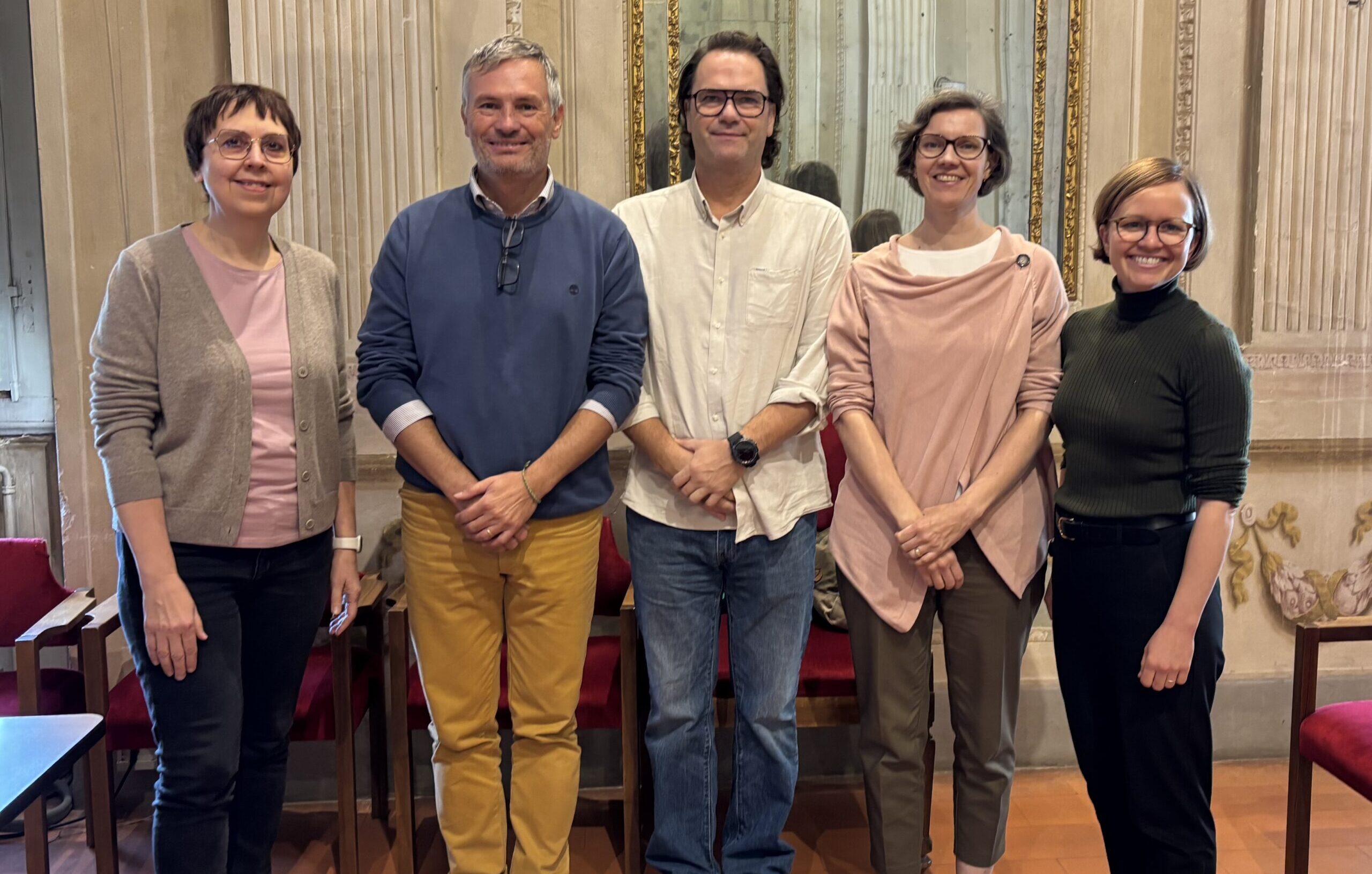
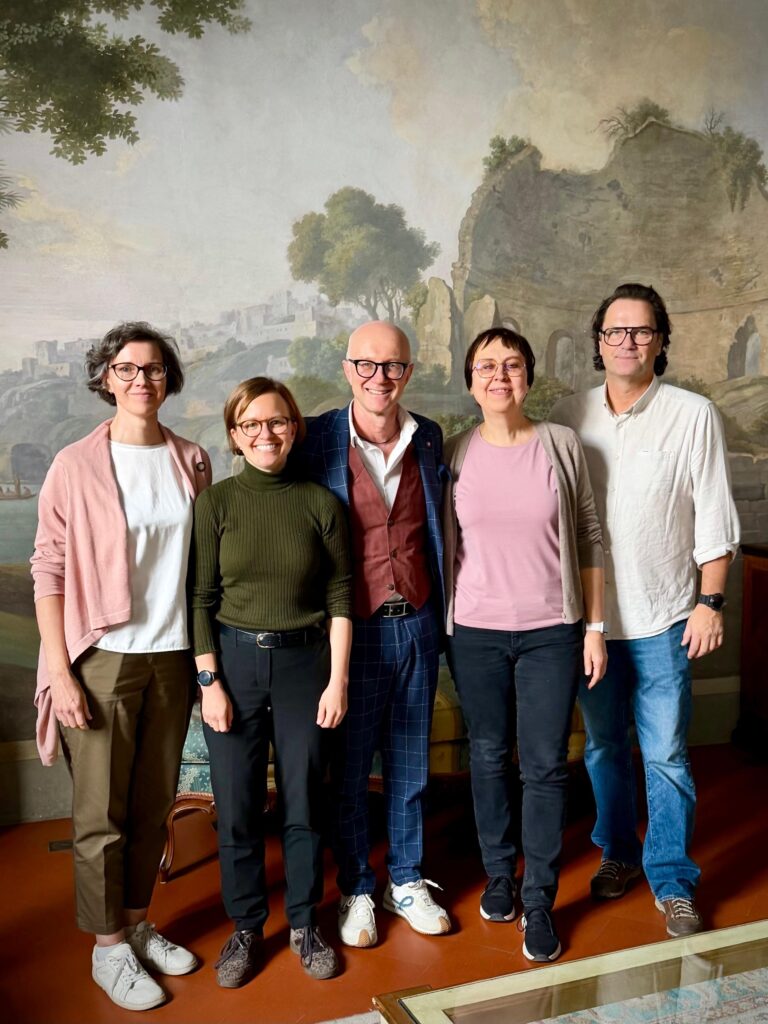
In October 2026, the ACSOW Scientific Committee undertook a study visit to Florence and the Via Francigena, one of Europe’s most significant pilgrimage routes and a certified Cultural Route of the Council of Europe. The visit formed part of the committee’s ongoing efforts to strengthen its understanding of pilgrimage route governance, research collaboration, and the diverse ways in which European pilgrimage traditions are managed and developed. Participating in the visit were Minna Opas (University of Turku, Finland), Kersti Markus (Tallinn University, Estonia), Mats Nilsson (Karlstad University, Sweden), and Guro Berge Vistad (St. Olav Ways, Norway). Committee member Hannah Bjørke Lunde (University of Bergen, Norway) was unable to join the study visit.
Meetings with Researchers, Route Managers, and Tourism Stakeholders
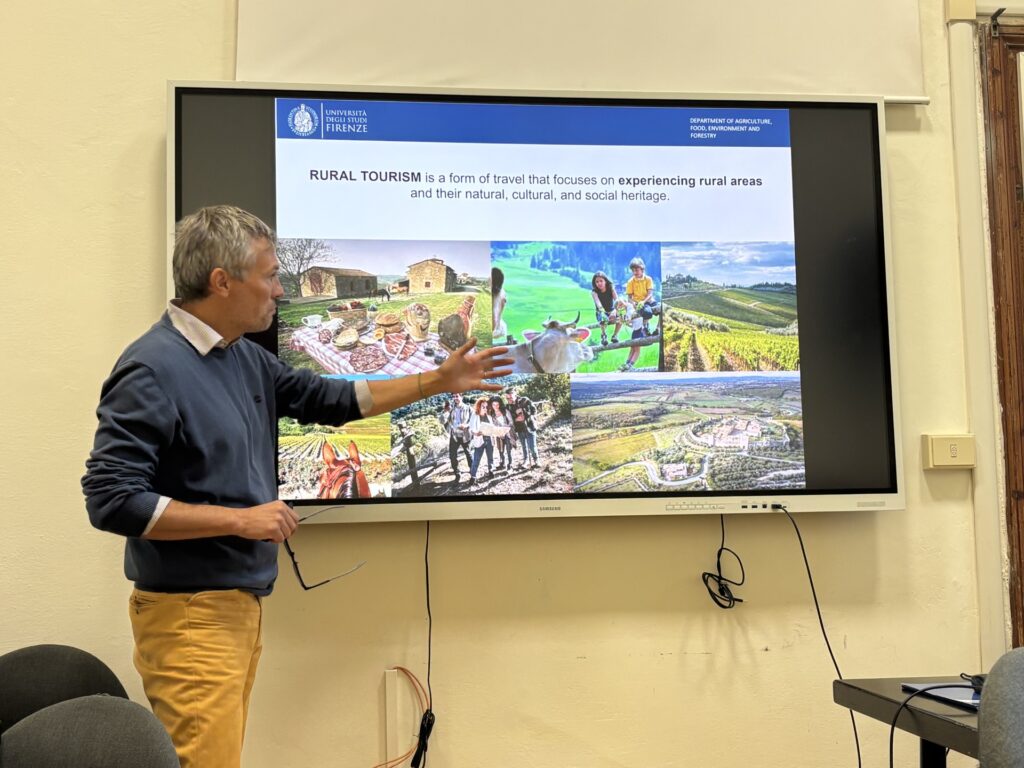
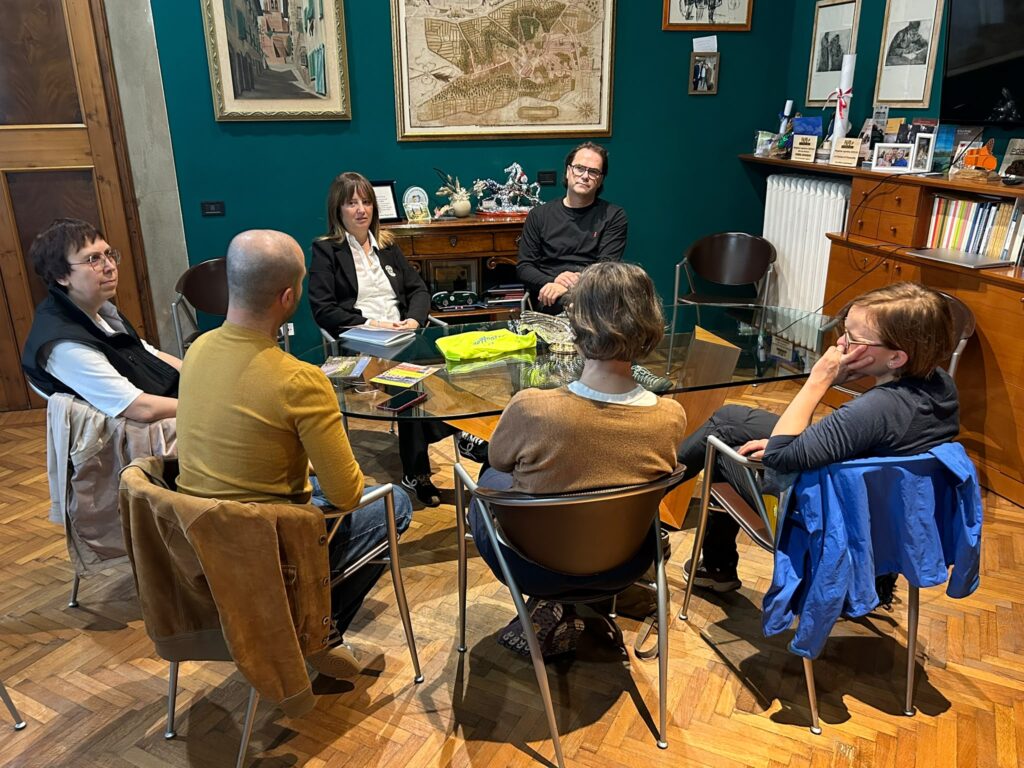
A particular highlight of the October 2026 visit was the opportunity to meet Professor Gianluca Bambi, researcher and member of the Scientific Committee of the Via Francigena. As one of the committee’s counterparts within another European pilgrimage route, Professor Bambi shared valuable perspectives on the relationship between research, cultural heritage, and route development. The meeting also provided an important opportunity for exchanging experiences between the scientific committees of two Cultural Routes of the Council of Europe.
The committee then met Alessio Spinelli, political advisor to the President of the Tuscany Region, Eugenio Giani, and Vice President of the European Association of the Via Francigena Ways (EAVF). Drawing on his experience in route governance and regional development, Spinelli presented how the Via Francigena is organized and managed, as well as its strategic importance for Tuscany. The discussion offered valuable insight into how pilgrimage routes can contribute to regional identity, sustainable tourism, and local economic development while involving a wide range of stakeholders across different administrative levels.
The first day concluded with a meeting with the tour operator SloWays, one of the leading companies specializing in walking holidays along the Via Francigena. Representatives shared their experiences of developing and marketing pilgrimage routes as tourism products, highlighting changing visitor expectations, market trends, and the practical requirements needed to create successful pilgrimage experiences. Their perspectives complemented those of researchers and public authorities, providing a broader understanding of how different actors contribute to the vitality and attractiveness of the route.
Visiting Fucecchio and Experiencing the Via Francigena
On the second day of the study visit, the Scientific Committee travelled to Fucecchio, an important stop along the Via Francigena in Tuscany. The visit provided an opportunity to explore how local authorities, cultural institutions, and community stakeholders work together to promote and develop pilgrimage routes at the municipal level.
The committee was welcomed by representatives of the Municipality of Fucecchio, who presented the town’s role within the Via Francigena network and discussed how pilgrimage routes can support sustainable tourism, cultural heritage preservation, and local development. The exchange offered valuable insights into how historical routes are integrated into wider strategies for place-making and regional promotion.
Participants also visited several of the town’s key historical and cultural landmarks, including the Civic and Diocesan Museum, the Collegiate Church, the Abbey of San Salvatore, and the historic Corsini Park complex. These visits illustrated how local history and cultural heritage contribute to the attractiveness and identity of pilgrimage destinations.
In the afternoon, the committee continued along the Via Francigena, visiting the areas of Ponte a Cappiano and Galleno and experiencing sections of the route firsthand. Walking the route and exploring the surrounding landscape provided valuable perspectives on the connections between pilgrimage, cultural heritage, nature, and local communities. The visit highlighted how the pilgrim experience is shaped not only by major destinations but also by the character and hospitality of smaller towns and rural landscapes along the way.
For the Scientific Committee, the visit to Fucecchio demonstrated the importance of local engagement in the success of European pilgrimage routes. It also reinforced the value of cooperation between municipalities, cultural institutions, researchers, and route managers in preserving and communicating the stories, traditions, and landscapes that make these routes meaningful to contemporary pilgrims and visitors.
Reflections and Lessons Learned
For the Scientific Committee, the visit provided an extremely valuable opportunity to build relationships with key actors involved in the Via Francigena and to gain a deeper understanding of how work related to the route is organized and coordinated across different administrative levels. One particularly interesting observation for committee members coming from the highly secularized and historically predominantly Protestant societies of Northern Europe was the comparatively limited role of the Catholic Church in the governance and management of the route. While local parishes and religious institutions contribute in important ways by providing accommodation, hospitality, and services for pilgrims, Church representatives do not appear to play a direct role in the overall decision-making processes. This reflects the administrative reality in regions such as Tuscany, where responsibility for the route is shared among territorial authorities that manage their respective sections while contributing to the broader development of the route.
The visit also reinforced an important observation for the Scientific Committee: pilgrimage routes across Europe face remarkably similar challenges, despite differences in geography, history, governance structures, and cultural context. At the same time, it is often local history, cultural heritage, and natural landscapes that are of greatest interest to pilgrims. Research on these themes therefore plays a crucial role in supporting both the development and promotion of pilgrimage routes and in ensuring that route management is grounded in knowledge and understanding of place.
Finally, the study visit highlighted the importance of cross-border cooperation, not only among route administrators but also among researchers and members of scientific committees. Effective collaboration requires that stakeholders at the points of departure understand the destinations toward which pilgrims travel, and vice versa. Such mutual knowledge is essential for developing coherent narratives, strengthening route identities, and enhancing the overall pilgrimage experience. For the Scientific Committee, these exchanges provided both inspiration and practical insights that will be valuable in its continued work supporting the development of St. Olav Ways as a European Cultural Route.
Further Reading
The visit to Fucecchio received coverage in the local Italian press. An article about the Scientific Committee’s visit and its engagement with local stakeholders along the Via Francigena can be found in gonews.it: